Exactly How a Memory Care Home Can Help In Reducing Roaming Dangers
Business Name: BeeHive Homes of Helena
Address: 9 Bumblebee Ct, Helena, MT 59601
Phone: (406) 457-0092
BeeHive Homes of Helena
With so many exceptional years of experience, the caretakers at Beehive Homes have been providing compassionate and personalized care for aging loved ones. Beehive Homes distinguishes itself through a higher level of assisted living licensed care (categories A, B, and C) that allows our residents to make the most of their golden years. Our skilled nurses provide adult residential living, memory care, hospice, and respite services to build and maintain a fulfilling and safe atmosphere for retirees. So please give us a call to schedule a free assessment, or visit our website to learn more about what Beehive Homes can do to ensure that your loved ones are given the best possible home.
9 Bumblebee Ct, Helena, MT 59601
Business Hours
Wandering is one of the hardest parts of dementia for family members to handle because it commonly gets here silently, then suddenly comes to be immediate. A parent that has actually constantly been steady on their feet may start pacing at odd hours, eloping the front door, or attempting to "go home" from the very place they already live. That can be frightening, not only as a result of the opportunity of obtaining lost, yet since roaming normally signals something deeper. It may originate from confusion, unmet needs, stress and anxiety, discomfort, monotony, or the straightforward truth that an individual no more recognizes the safety signs that when kept them anchored.
A memory care home is built with that said truth in mind. Excellent memory care does not try to regulate people in a cool or extremely limiting method. Instead, it develops a setting where movement is still appreciated, however the risks connected to roaming are minimized with thoughtful style, trained support, and everyday regimens that make sense to residents with cognitive impairment. For many families looking for memory care near me or contrasting senior living near me choices, that difference is often what alters the conversation from dilemma monitoring to something extra secure and humane.
Wandering is hardly ever random
People often photo straying as simply "walking off," but in elder care it is usually far more layered than that. A resident might be searching memory care near me for a spouse who died years back, trying to get to function, or trying to find the washroom and then shedding the string midway there. Some individuals relocate due to the fact that they really feel agitated. Others pace because they fear, hurting, hungry, or overstimulated. In many cases, need appears at the same time each day, often late mid-day or night, when tiredness and confusion build.
That is why wandering threat needs to be recognized as a health and safety problem, not a habits trouble. Families that have actually attempted to handle it at home recognize how exhausting it can be. A few minutes of disturbance is all it can consider a loved one to leave through an opened door or action outside while someone is responding to a call. Even when nothing serious happens, the concern alters the environment of the whole home. People start to sleep lightly, examine locks repeatedly, and develop their whole schedule around supervision.
A well-run memory care home decreases that pressure by presuming wandering may happen and developing layers of assistance around it. The goal is not to eliminate activity. It is to lower dangerous departures, prevent disorientation from ending up being unsafe, and react promptly when a resident begins to drift.
The atmosphere does a great deal of the work
One of the greatest advantages of memory care is that the structure itself is made for individuals who may roam. That seems straightforward, yet it matters greater than several households understand. A typical apartment, assisted living floor, or personal home typically has a lot of exits, a lot of visual distractions, and way too many chances for a person with dementia to obtain turned around.
In a memory care home, the format is usually easier to review. Hallways are a lot more simple. Landmarks are clear. There may be color cues, memory boxes outside areas, or very carefully selected decoration that assists homeowners orient themselves. Doors that should not be opened without help may mix into the wall as opposed to attract attention like an invite. Courtyards and walking courses might be secured so citizens can keep moving without reaching a street or parking lot.
Good style additionally decreases frustration. Extreme lighting, puzzling mirrors, chaotic areas, and loud background noise can all enhance the impulse to wander. A calmer atmosphere can reduce the course from stress and anxiety to participation. I have actually seen locals settle quicker when the area felt acquainted and clean, with adequate light to lower shadows and sufficient space to stroll without running across furniture.
These layout choices may not seem remarkable, but they are frequently the distinction in between repetitive near-misses and a predictable day.
Staff know how to check out the signs prior to a resident bolts
The best memory care teams do not wait for a resident to reach the door prior to actioning in. They learn the small signals that roaming is constructing. Some people end up being much more concentrated on footwear or coats. Others stand and take a seat repetitively, glance toward departures, or start loading a bag without clear purpose. A resident who asks to "go home" three times in ten mins might not be seeking an area in any way. They may be trying to soothe a feeling.
Experienced personnel respond with redirection instead of confrontation. That matters. Telling someone with dementia that they are incorrect typically produces even more frustration, which can make straying even worse. A tranquil caregiver might use a stroll, a treat, a washroom check, or an opportunity to take a look at an image cd. Occasionally the demand is physical. Occasionally it is emotional. Often the individual simply requires an adjustment in activity prior to the urge to leave become an actual leave attempt.
This kind of feedback calls for staffing that recognizes dementia, not just general senior care. It takes patience, monitoring, and rep. A memory care home is more likely to have regimens and training built around those abilities than a setting where caretakers are asked to cover a wide range of senior living needs without the very same degree of focus.
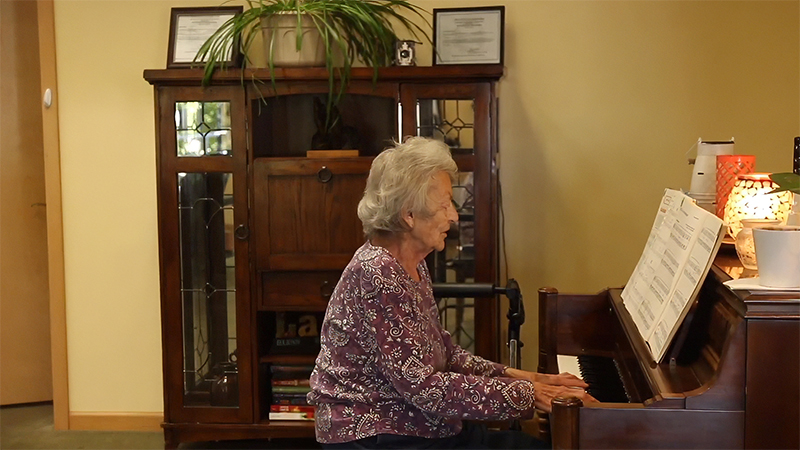
Routines reduce the urge to roam
People living with dementia commonly do better when the day has a foreseeable rhythm. That does not mean the timetable should be stiff to the min. It implies meals, rest, activity, and personal care happen in such a way that really feels secure and acquainted. When a resident recognizes roughly what comes next, there is much less area for the anxiety that can bring about wandering.
That predictability can be specifically important in the mid-day and evening. Several families acknowledge the late-day uneasyness sometimes called sundowning, when confusion and anxiousness boost as the light adjustments. In a memory care setup, personnel commonly readjust the atmosphere and the day's speed during those hours. There might be quieter songs, gentler changes, and extra one-on-one peace of mind. Citizens are not delegated fill vacant time by themselves, which can be a surprisingly crucial protection.
Boredom is an ignored trigger. Someone that has invested an hour with nothing to do may end up being established to "go somewhere," also if the destination is uncertain. Significant activity, whether folding towels, watering plants, listening to acquainted tracks, or moving via an assisted workout course, can lower that pressure. The motion is still there, and now it has a purpose.
Security must really feel encouraging, not punitive
Families sometimes worry that memory care implies living behind locked doors in a harsh or institutional setup. The better homes take a various method. Safety and security is present, yet it is woven right into the history. Residents can move securely without feeling trapped.
This balance is difficult. Too much limitation can make an individual feel constrained, which might boost efforts to leave. Too little framework can create real danger. Experienced memory care homes work to strike the happy medium by combining access, supervision, and discreet safeguards. Team might keep track of doors, use signaling systems, and track homeowners' patterns without transforming the building into something that really feels punitive.
That same equilibrium matters when families are contrasting senior living near me options. A solid tour must not only show you where exits are regulated. It should reveal you exactly how citizens spend their time, whether they seem calm, whether staff are visible and engaged, and whether the environment really feels inviting. Safety is not practically locks. It is about whether individuals can cope with dignity while remaining protected.
When wandering happens at home, the toll is real
Some households attempt to delay the move to memory care because they wish to honor a guarantee to keep a loved one in your home as long as feasible. That impulse is reasonable, and lots of people do manage with a mix of family support, home modifications, and respite care. But once roaming ends up being regular, the burden can spread throughout every part of life.
Adult youngsters might take turns sleeping in changes. A spouse might stop leaving your house. Doors obtain new locks, alarms get included, and still the fear remains. If the individual with dementia has actually currently gone missing out on once, also momentarily, the stress and anxiety can come to be constant. It is tough to overemphasize what that does to a household.
A memory care home can ease that problem since it removes the demand for family members to be on duty every minute of the day. That is not a minor benefit. It changes whether a partner can rest via the night, whether an adult child can keep functioning, and whether the rest of the household can spend time with each other without somebody always enjoying the hallway.
For family members that are making use of respite care before making a longer-term decision, the short remain can be revealing. Individuals frequently discover almost quickly whether their loved one resolves right into a more organized setup or continues to feel distressed. That experience can assist clear up whether recurring memory care is the right following step.
Good memory care views the entire person
The most efficient roaming avoidance usually begins long prior to the door. A resident that is in discomfort, constipated, dehydrated, under-stimulated, or anxious is more probable to attempt to leave. Excellent memory care homes focus on those underlying triggers. Personnel notification if a person is consuming less, resting poorly, or suddenly extra agitated than normal. A change in roaming actions might be the first idea that something else is going on.
That is where senior care in a memory care setting becomes more detailed than basic guidance. Care groups usually coordinate medicine timing, hydration, toileting support, and activity planning with the resident's day-to-day patterns. If someone has a tendency to pace after lunch, team might plan for a stroll or a job around that time instead of awaiting the restlessness to develop. If somebody ends up being dizzy when tired, the team might adjust how much excitement they receive late in the day.
A wandering risk is seldom resolved by one treatment alone. It is generally managed with a series of small, sensible decisions that, with each other, make the day safer.
What family members need to pay attention to on a tour
When you visit a memory care home, the evident things matter. Are the doors safeguard? Does the structure feel very easy to navigate? Are there puts for citizens to stroll securely? However the much less apparent details often tell you more.
Does staff interaction feel calm and respectful, specifically when residents seem confused? Do individuals appear to be guided gently rather than hurried? Are leaves aesthetically minimized, or do they stand apart in a way that may welcome meddling? Is there sufficient activity to maintain locals involved, or do you see individuals resting for long stretches with little to do?
You can also ask certain inquiries about wandering prevention, because the solution exposes a great deal regarding how the home runs. The best questions are usually straightforward and practical.
- How do you respond when a resident tries to leave?
- What training do staff get concerning dementia-related wandering?
- How do you support locals that pace or need frequent walking?
- What takes place if a resident comes to be dizzy throughout an activity or transition?
- How do you connect patterns or issues to family members?
A thoughtful staff member ought to be able to address without appearing protective or rehearsed. They must be able to discuss exactly how they balance safety with respect, and how their approach changes as a resident's demands evolve.
Families commonly need time to rely on the process
Even when memory care is clearly the safer choice, it can take some time for family members to feel tranquil with the step. That is normal. There is psychological weight in handing over guidance, especially if you have actually invested months or years taking care of roaming in the house. Shame usually shows up first. Alleviation comes later on, often much later on, when you see your loved one less agitated and no longer in jeopardy of entering danger.
I have actually seen families move with that change in phases. Initially, they are concentrated on the loss of control. After that they begin observing the functional enhancements. The person is resting better. The calls are less frantic. The resident who utilized to bolt for the front door is currently walking with an objective in a risk-free yard or joining a team activity with less resistance. Those adjustments do not get rid of the diagnosis, yet they can make life steadier.
This is likewise why a memory care home is not only regarding protection. It has to do with lifestyle. A resident who no longer has to be chased after, limited, or regularly corrected might in fact really feel less tense. That calmer baseline can lower several of the very behaviors households are afraid most.
The best result is normally less about quiting movement and even more regarding guiding it
Wandering is not the opponent in every kind. Walking can calm, organize thought, and give an individual a sense of firm. The difficulty is rerouting that need into secure paths. A strong memory care home comprehends this difference. It gives citizens area to relocate while decreasing the possibility that motion develops into danger.
That is what makes the setting so beneficial. The style supports orientation. The regimens lower anxiety. The staff notice the signals early. The entire setup is built around a fact households discover the hard way, which is that a person with dementia may not be able to safeguard themselves from the risks that come with losing memory and spatial awareness.
For households contrasting memory care, elder care choices, or looking up memory care near me after a frightening roaming occurrence, the central question is typically not whether a loved one will certainly ever before stroll once more. It is whether they can stroll, rate, check out, and deal with as much liberty as possible, without the problem of constant danger.
That is where a well-run memory care home earns its value. It does not promise excellence. It offers something a lot more practical and, for many families, even more meaningful. It creates a more secure area for a person who still needs to move, also when memory no more overviews the way.
BeeHive Homes of Helena provides assisted living care
BeeHive Homes of Helena provides memory care services
BeeHive Homes of Helena provides respite care services
BeeHive Homes of Helena supports assistance with bathing and grooming
BeeHive Homes of Helena offers private bedrooms with private bathrooms
BeeHive Homes of Helena provides medication monitoring and documentation
BeeHive Homes of Helena serves dietitian-approved meals
BeeHive Homes of Helena provides housekeeping services
BeeHive Homes of Helena provides laundry services
BeeHive Homes of Helena offers community dining and social engagement activities
BeeHive Homes of Helena features life enrichment activities
BeeHive Homes of Helena supports personal care assistance during meals and daily routines
BeeHive Homes of Helena promotes frequent physical and mental exercise opportunities
BeeHive Homes of Helena provides a home-like residential environment
BeeHive Homes of Helena creates customized care plans as residents’ needs change
BeeHive Homes of Helena assesses individual resident care needs
BeeHive Homes of Helena accepts private pay and long-term care insurance
BeeHive Homes of Helena assists qualified veterans with Aid and Attendance benefits
BeeHive Homes of Helena encourages meaningful resident-to-staff relationships
BeeHive Homes of Helena delivers compassionate, attentive senior care focused on dignity and comfort
BeeHive Homes of Helena has a phone number of (406) 457-0092
BeeHive Homes of Helena has an address of 9 Bumblebee Ct, Helena, MT 59601
BeeHive Homes of Helena has a website https://beehivehomes.com/locations/helena/
BeeHive Homes of Helena has Google Maps listing https://maps.app.goo.gl/YUw7QR1bhH7uBXRh7
BeeHive Homes of Helena has Facebook page https://www.facebook.com/beehivehelena/
BeeHive Homes of Helena has an YouTube page https://www.youtube.com/user/BeeHiveCare
BeeHive Homes of Helena won Top Assisted Living Homes 2025
BeeHive Homes of Helena earned Best Customer Service Award 2024
BeeHive Homes of Helena placed 1st for Senior Living Communities 2025
People Also Ask about BeeHive Homes of Helena
What is BeeHive Homes of Helena Living monthly room rate?
The rate depends on the level of care that is needed. We do an initial evaluation for each potential resident to determine the level of care needed. The monthly rate is based on this evaluation. There are no hidden costs or fees
Can residents stay in BeeHive Homes until the end of their life?
Usually yes. There are exceptions, such as when there are safety issues with the resident, or they need 24 hour skilled nursing services
Do we have a nurse on staff?
No, but each BeeHive Home has a consulting Nurse available 24 – 7. if nursing services are needed, a doctor can order home health to come into the home
What are BeeHive Homes’ visiting hours?
Visiting hours are adjusted to accommodate the families and the resident’s needs… just not too early or too late
Do we have couple’s rooms available?
Yes, each home has rooms designed to accommodate couples. Please ask about the availability of these rooms
Where is BeeHive Homes of Helena located?
BeeHive Homes of Helena is conveniently located at 9 Bumblebee Ct, Helena, MT 59601. You can easily find directions on Google Maps or call at (406) 457-0092 Monday through Sunday Open 24 hours
How can I contact BeeHive Homes of Helena?
You can contact BeeHive Homes of Helena by phone at: (406) 457-0092, visit their website at https://beehivehomes.com/locations/helena/, or connect on social media via Facebook or YouTube
Conveniently located near Beehive Homes of Helena Cinemark Helena a great movie theater with full food & drink menu. Catch a movie and enjoy some great food while you wait.